Clayton Homeowners’ Guide to Controlling Humidity and Stopping Mold Growth
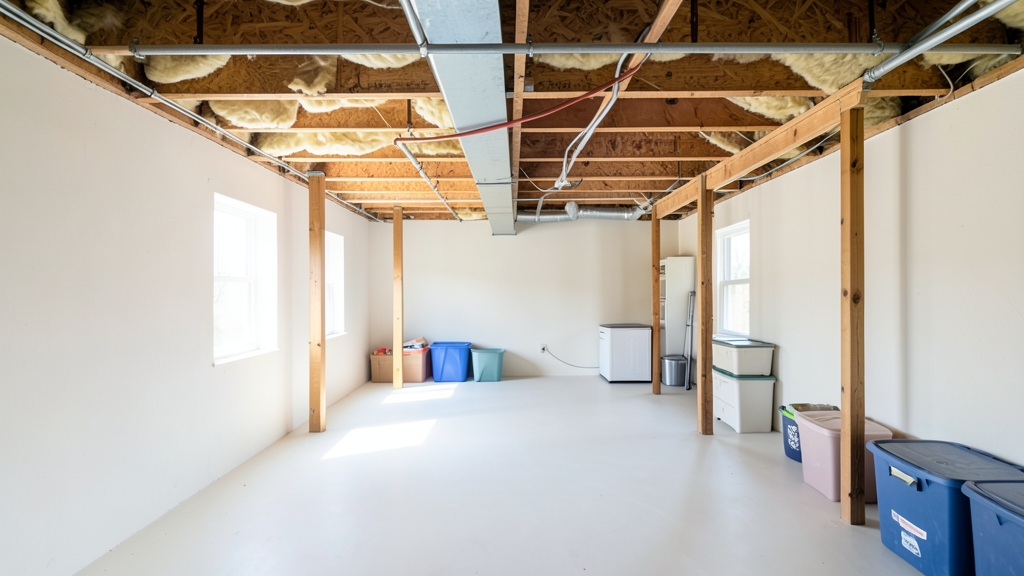
Mold thrives where humidity lingers above 60%. In our region’s warm, damp climate, that’s a year-round risk—especially in basements, crawl spaces, and attics. We’ll show you how to measure, control, and correct moisture before it turns into a costly remediation project.
Why Humidity Control Is Your First Line of Defense Against Mold
Mold spores are everywhere, but they only grow when moisture is present. Relative humidity above 60% for 72+ hours creates ideal conditions for colonization on drywall, wood, and insulation.
In Clayton, our humid summers and mild winters mean condensation and poor airflow can quietly raise indoor humidity. Without intervention, hidden mold in Garner or Smithfield homes often starts in these conditions.
Signs Your Home Has a Humidity or Mold Problem
Musty odors, especially in basements or crawl spaces, are a red flag. So are water stains, peeling paint, or warped wood—these indicate past or ongoing moisture issues.
Visible mold (black, green, or white spots) on walls, ceilings, or under sinks means spores are already active. In attics, look for dark streaks on rafters or insulation, common in Four Oaks and Wilson’s Mills homes with poor ventilation.
Early Warning Signs of Excess Moisture
- Persistent musty smells in enclosed spaces
- Condensation on windows or pipes
- Peeling wallpaper or bubbling paint
- Allergy-like symptoms that worsen indoors
- Dark stains or fuzzy growth on surfaces
How to Accurately Measure Indoor Humidity
A digital hygrometer is the simplest tool to monitor humidity levels. Place units in high-risk areas: basements, crawl spaces, bathrooms, and kitchens. Readings should stay between 30-50%.
For a professional assessment, we use calibrated tools during mold inspections. These also detect hidden moisture in walls or subflooring that a basic hygrometer might miss.
Check humidity after rain or when running humidifiers. Levels can spike quickly, especially in older homes with poor sealing.
Best Dehumidifiers for Clayton Homes: A Quick Comparison
Not all dehumidifiers are equal. For basements and crawl spaces, we recommend units with built-in pumps or gravity drainage. Portable models work for smaller rooms but require frequent emptying.
Whole-house dehumidifiers integrate with HVAC systems, ideal for larger homes in areas like Garner. They’re more expensive upfront but offer long-term moisture control.
| Type | Best For | Pros | Cons |
|---|---|---|---|
| Portable | Bedrooms, bathrooms | Affordable, easy to move | Limited capacity, manual emptying |
| Basement/Crawl Space | High-moisture areas | High capacity, auto-drain | Bulky, higher cost |
| Whole-House | Entire home integration | Consistent control, low maintenance | Installation required, higher initial cost |
Ventilation and Airflow: Silent Mold Preventers
Poor airflow traps moisture. Exhaust fans in bathrooms and kitchens should vent outside, not into attics. In crawl spaces, proper ventilation or encapsulation can prevent stagnant, humid air.
Attics need soffit and ridge vents to allow hot, moist air to escape. Without this, insulation can trap humidity, leading to mold on sheathing—a common issue we see in Wilson’s Mills homes.
Never block crawl space vents with insulation or debris. This cuts off airflow and accelerates mold growth on joists and subflooring.
When to Call in the Pros for Mold Inspection and Testing
If you see mold or smell it but can’t find the source, a professional mold inspection is wise. We use thermal imaging and moisture meters to detect hidden problems behind walls or under flooring.
Air quality testing identifies spore types and concentrations, crucial for remediation planning. This is especially important in commercial spaces or after water damage in areas like Smithfield.
DIY vs. Professional Mold Remediation: What’s Safe?
Small, surface-level mold (under 10 sq. ft.) on non-porous materials like tile can often be cleaned with antimicrobial solutions. But porous materials—drywall, carpet, insulation—usually require removal.
For large infestations, or mold in HVAC systems, our team uses containment barriers, HEPA air scrubbers, and EPA-approved fungicides. This prevents spores from spreading during remediation.
Bleach is not a mold killer—it only removes surface color and can worsen hidden growth. Always use antimicrobial cleaners rated for mold.
Long-Term Moisture Control: Fixing the Root Causes
Grading soil away from your foundation prevents water from seeping into basements or crawl spaces. Gutters and downspouts should direct water at least 5 feet away from the home.
In crawl spaces, a vapor barrier (6-mil polyethylene) laid over dirt floors blocks ground moisture. For extreme cases, encapsulation with a sealed liner and dehumidifier provides a strong defense.
How to Reduce Humidity in Your Home Today
Start with these steps to lower moisture levels and discourage mold growth.
- 1Use exhaust fans
Run bathroom and kitchen fans for 20-30 minutes after showers or cooking. Ensure they vent outside, not into attics.
- 2Run a dehumidifier
Place a unit in basements, crawl spaces, or laundry rooms. Empty the tank daily or use a model with a drain hose.
- 3Improve airflow
Open windows on dry days, use ceiling fans, and keep furniture away from walls to promote circulation.
- 4Fix leaks promptly
Inspect pipes, roofs, and windows for leaks. Even small drips can raise humidity and feed mold.
- 5Upgrade insulation
Add insulation to attics and crawl spaces to prevent condensation on cold surfaces.
- 6Monitor with a hygrometer
Check humidity levels daily in problem areas. Aim to keep readings below 50% consistently.
Frequently Asked Questions
How do I know if my Clayton home’s humidity is causing mold?
Look for musty odors, condensation on windows, or visible mold growth. A hygrometer reading above 60% for extended periods is a strong indicator. If unsure, request a professional mold inspection.
Can a dehumidifier alone solve a mold problem?
A dehumidifier helps control moisture but won’t remove existing mold. For active growth, you’ll need remediation. However, consistent humidity control prevents new mold from forming.
Is mold in my crawl space a big deal?
Yes. Crawl space mold can spread to living areas through air gaps and HVAC systems. It also weakens structural wood over time. Encapsulation and dehumidifiers are often needed for homes in Garner or Smithfield.
What’s the difference between mold testing and mold inspection?
A mold inspection visually assesses for growth and moisture sources. Mold testing collects air or surface samples to identify spore types and concentrations, which is critical for remediation planning.
How often should I check my home for mold?
Inspect high-risk areas (basements, attics, bathrooms) every 3-6 months. After water damage or major storms, check immediately. Homes in humid climates like ours benefit from more frequent monitoring.
Does homeowners insurance cover mold remediation in Clayton?
Coverage varies. Most policies exclude mold unless it’s a direct result of a covered peril (e.g., burst pipe). Review your policy and document damage thoroughly. For clarity, request a quote from a local remediation expert.