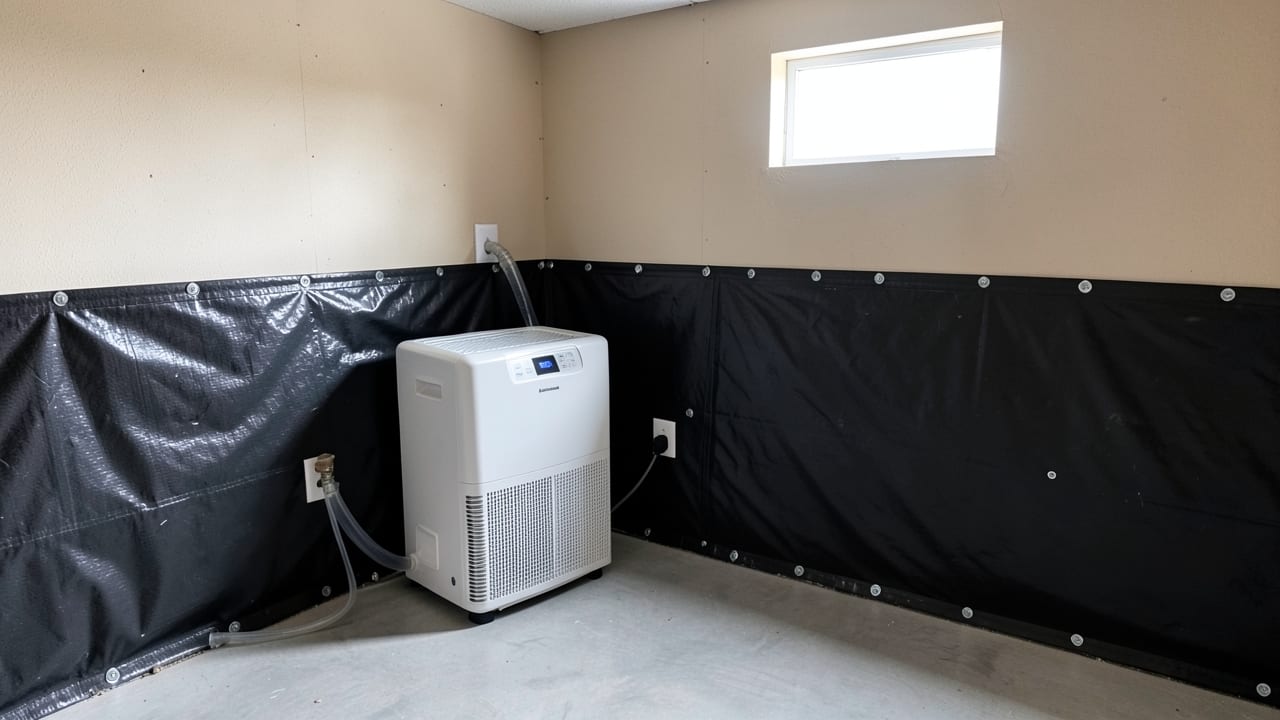
Mold Prevention & Moisture Control
Mold prevention and moisture control in Clayton, NC — addressing ventilation, humidity, and drainage before growth starts, not after.
In Clayton, NC’s humid subtropical climate, mold prevention and moisture control stop growth before it starts by targeting excess humidity, poor ventilation, and water intrusion. Proactive measures like dehumidifiers, proper grading, and ventilation keep homes dry year-round, even during hurricane season.
Why Mold Prevention Matters in Clayton
Clayton’s hot, humid summers and rainy seasons create ideal conditions for mold. Without control, indoor humidity above 60% can lead to growth on walls, ceilings, or even dry surfaces over time. Prevention focuses on eliminating the root causes—moisture and poor airflow—before mold takes hold.
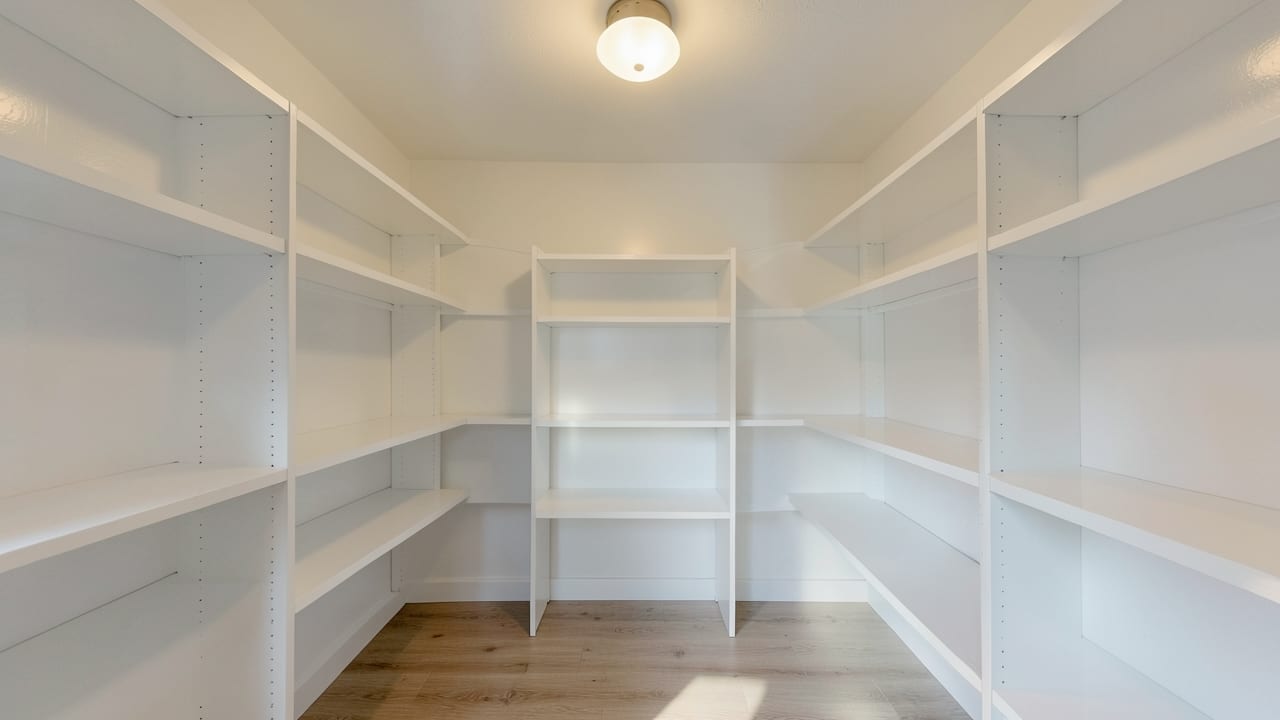
We also handle Closet Mold Cleanup and Pantry Mold Treatment for Clayton properties.
Hurricane season and frequent rain increase the risk of water intrusion. Proper grading, gutters, and ventilation systems are critical to diverting water away from your home’s foundation and crawl space, reducing the likelihood of mold-friendly environments.
Key Areas to Address for Moisture Control
Basements and crawl spaces are prime spots for excess moisture. A properly sized dehumidifier can maintain humidity below 60%, even in Clayton’s most humid months. Ventilation in these areas also helps circulate air and prevent condensation.
Bathrooms and kitchens produce significant moisture daily. Exhaust fans vented to the outside—not into attics—remove humid air before it spreads. Attic ventilation, including intake and exhaust systems, further prevents moisture buildup in hidden spaces.
Signs Your Home Needs Moisture Control
- Musty odors in basements, crawl spaces, or attics
- Condensation on windows, walls, or pipes
- Peeling paint or wallpaper, especially near corners or ceilings
- Visible mold growth or water stains on walls or ceilings
- High humidity readings (consistently above 60%)
Prevention Assessment: What to Expect
A professional prevention assessment identifies moisture sources, ventilation gaps, and areas at risk for mold. The expert will inspect your home’s grading, gutters, attic, crawl space, and HVAC system to recommend targeted improvements.
Assessments are available as standalone visits or bundled with a full inspection. Pricing varies based on the size of your home and the specific improvements needed, such as installing dehumidifiers, repairing ventilation, or regrading your yard.
How Mold Prevention & Moisture Control Works
Our process targets the root causes of mold to keep your home safe and dry.
- 1Inspection and Assessment
A technician evaluates your home for moisture sources, humidity levels, and ventilation issues. This includes checking crawl spaces, basements, attics, and exterior grading.
- 2Customized Recommendations
Based on the assessment, we provide a tailored plan to address humidity, ventilation, and water intrusion. This may include dehumidifier installation, exhaust fan upgrades, or gutter and grading repairs.
- 3Implementation of Solutions
Our team installs or repairs systems to control moisture, such as dehumidifiers, proper ventilation, and water diversion tools like gutters and downspout extensions.
- 4Follow-Up and Monitoring
We verify that humidity levels stay below 60% and that ventilation systems are functioning correctly. Regular checks ensure long-term prevention.
Frequently Asked Questions
How often should I run a dehumidifier in Clayton’s climate?
In Clayton’s humid climate, a dehumidifier should run continuously in basements and crawl spaces during the warmer months. Aim to maintain indoor humidity between 30-50% to prevent mold growth.
Can I prevent mold by just using air conditioning?
Air conditioning helps reduce humidity, but it’s not always enough, especially in basements or crawl spaces. A dedicated dehumidifier is more effective for consistent moisture control in these areas.
What’s the difference between mold remediation and prevention?
Mold remediation removes existing mold growth, while prevention addresses the conditions that allow mold to grow in the first place, such as excess humidity, poor ventilation, and water intrusion.
How do I know if my exhaust fans are working properly?
Hold a tissue near the fan while it’s running. If the tissue doesn’t stick to the vent, the fan may not be exhausting air to the outside. Also, check that the fan vents outdoors, not into an attic or crawl space.
See Benson, NC for more, or check out everything Clayton homeowners can book with us step by step for our complete lineup.
Ready to get started?
Talk to a local mold remediation pro in Clayton — get a written quote.
Other Mold Remediation Services in Clayton
Closet Mold Cleanup in Clayton, NC
Professional cleanup and removal of mold from closets to restore safe, healthy spaces.
Learn More
Pantry Mold Treatment in Clayton, NC
Professional assessment and removal of mold in pantry areas to restore a safe, clean space.
Learn More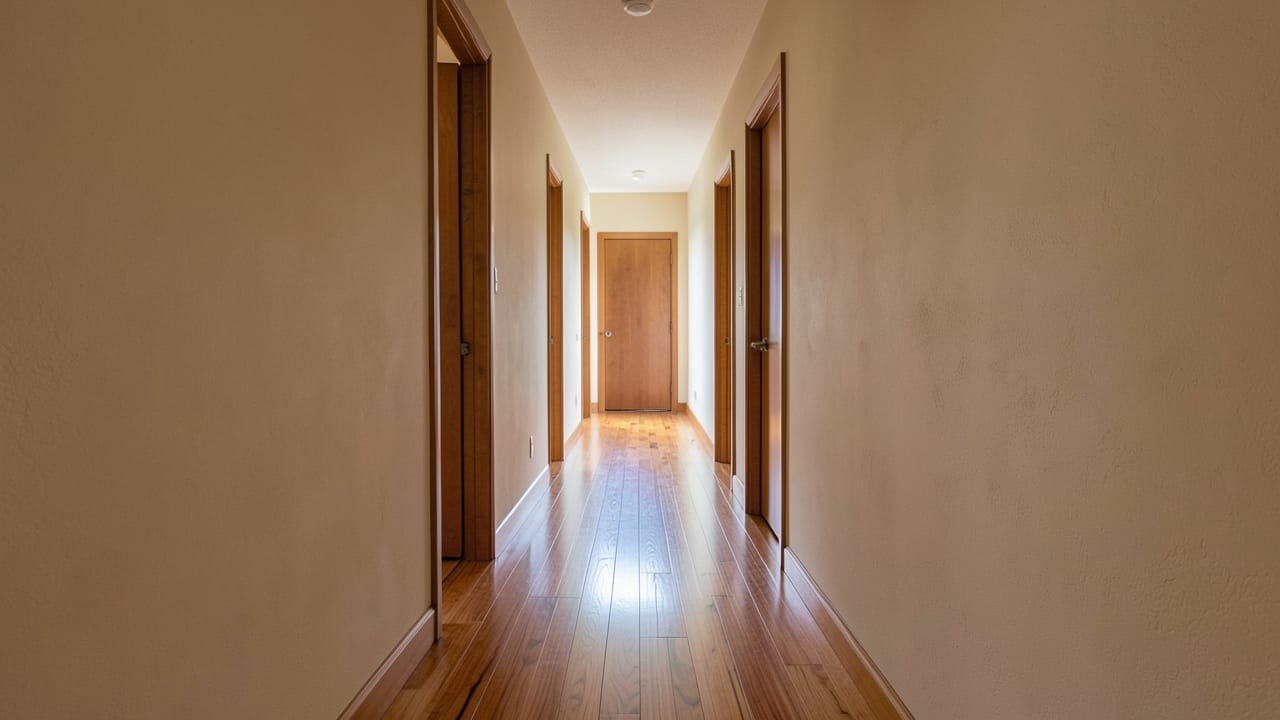
Hallway Mold Remediation in Clayton, NC
Professional removal and treatment of mold growth in residential hallways.
Learn More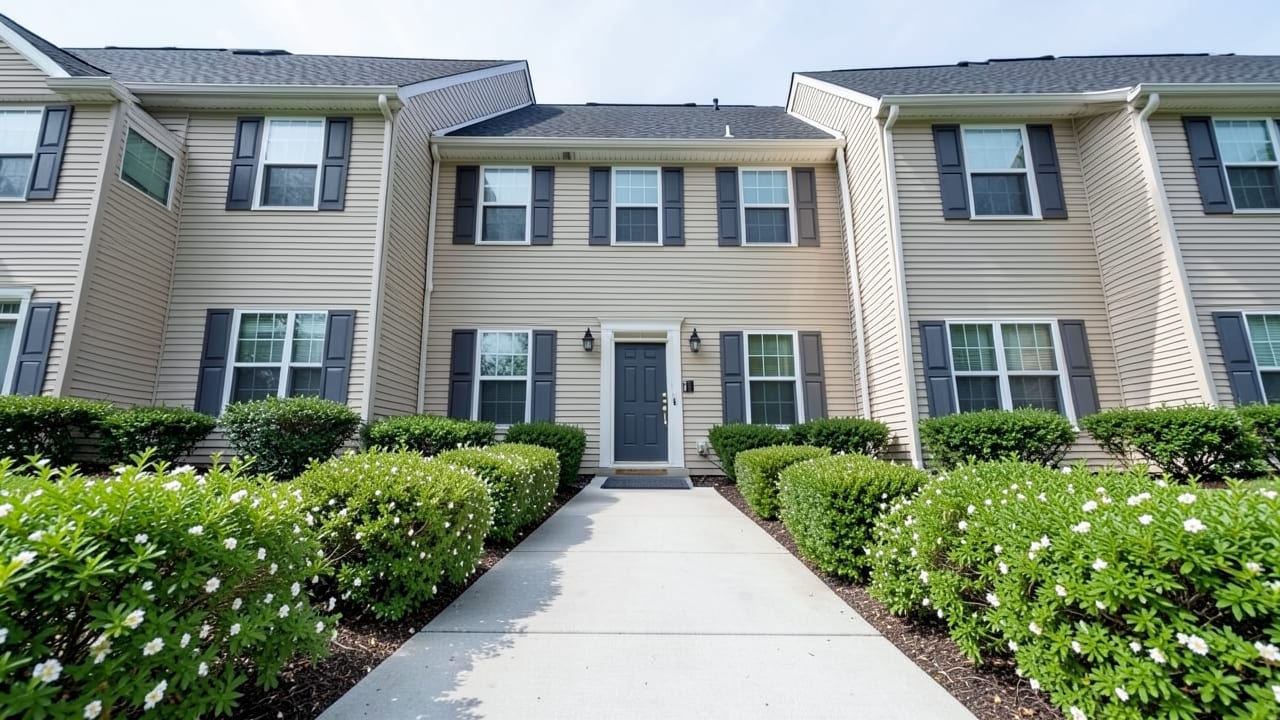
HOA Mold Remediation in Clayton, NC
Professional mold removal and remediation for HOA properties to restore safe, healthy living conditions.
Learn More
Clinic Mold Remediation in Clayton, NC
Professional mold removal and remediation to restore safe, healthy indoor spaces.
Learn More
New Construction Mold Remediation in Clayton, NC
Professional mold removal and prevention in newly built homes to ensure safe, clean living spaces.
Learn MoreCommon Questions About Mold Remediation in Clayton
Everything you need to know about mold remediation services in Clayton
How much does Mold Prevention & Moisture Control typically cost in Clayton, NC?
Why does Clayton, NC's humidity make mold a bigger risk than in drier regions?
Is black mold actually more dangerous than other mold types?
How long does a typical mold remediation job take?
Is it safe to stay in the home during mold remediation?
Can small mold problems be handled without hiring anyone?
Need Mold Remediation in Clayton?
Connect with local providers in Clayton for a detailed quote.
⏰ We answer your call • Serving all of Clayton and surrounding areas