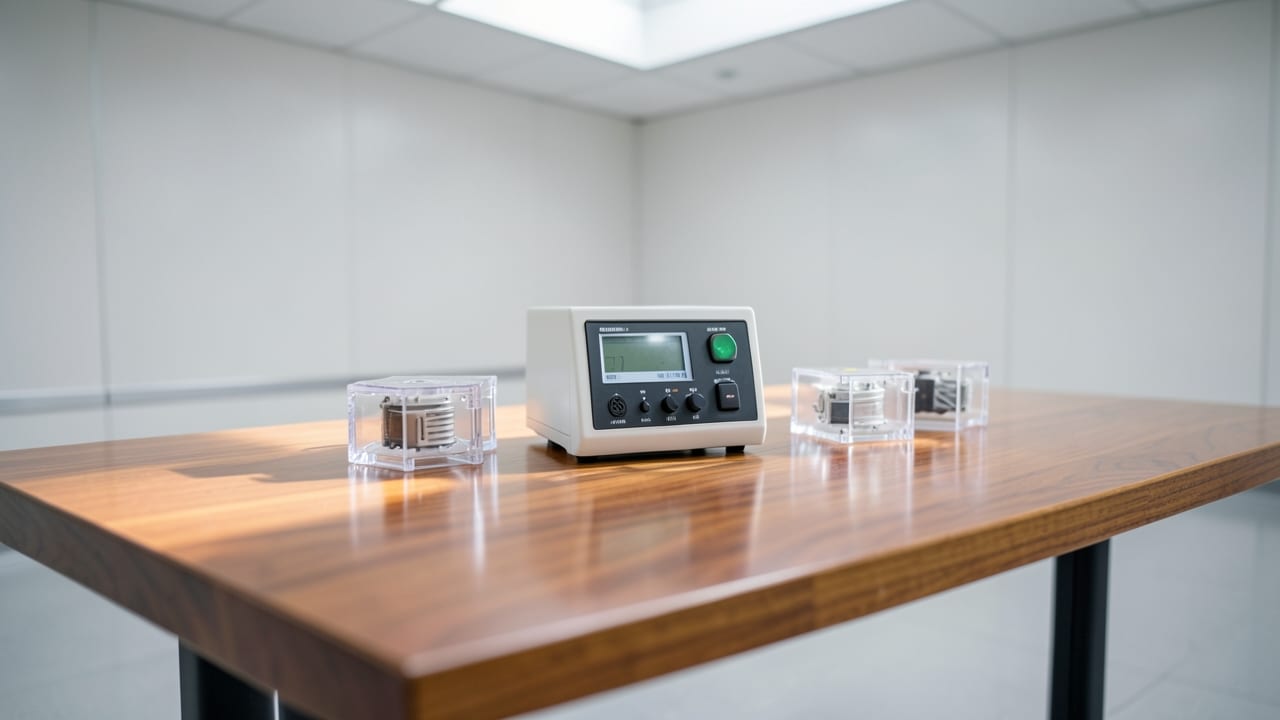
Mold Testing & Air Quality Testing
Mold and indoor air quality testing in Clayton, NC — lab-analyzed air and surface samples confirm what's actually growing and whether it's airborne.
In Clayton, NC, professional mold testing and air quality testing go beyond visual checks by lab-confirming mold species and airborne spore levels. This helps homeowners identify hidden issues, assess health risks, and ensure remediation is thorough and effective before and after cleanup.
Why Lab-Confirmed Testing Matters in Clayton Homes
A visual mold inspection can spot growth, but it can’t tell you what type of mold you’re dealing with or whether spores have spread through the air. Lab testing identifies the exact species, which determines the urgency and scope of remediation—some molds require stricter containment than others.
We also handle Rental Property Mold Cleanup and School Mold Remediation for Clayton properties.
Air quality samples compare indoor spore counts to an outdoor baseline, revealing if the problem is isolated or widespread. Surface samples (swab or tape-lift) pinpoint the species at a specific spot. Together, these tests provide the data needed to make informed decisions about your home’s safety.
| Sample Type | Purpose | What It Tells You |
|---|---|---|
| Air Sample | Measures airborne spores | Compares indoor vs. outdoor spore levels to confirm if spores are widespread |
| Surface (Swab) Sample | Identifies mold species at a specific spot | Confirms the type of mold growing on a wall, ceiling, or other surface |
| Surface (Tape-Lift) Sample | Captures mold spores from a surface | Helps identify species when growth is visible but not easily swabbed |
When to Schedule Mold & Air Quality Testing
Testing is critical before remediation to confirm the scope of the problem and after cleanup to verify the job is complete. It’s also wise to test if you notice musty odors, unexplained respiratory issues, or water damage—even if no mold is visible.
Signs Your Clayton Home Needs Testing
- Visible mold growth on walls, ceilings, or in basements
- Persistent musty odors, especially in damp areas
- Unexplained allergies, respiratory issues, or skin irritation among household members
- Recent water damage (leaks, flooding, or high humidity) in the home
- Before purchasing a home to ensure no hidden mold issues
What Affects Testing Costs and Timing
Pricing for mold and air quality testing in Clayton depends on the number of samples taken. A typical inspection includes 2-3 samples (e.g., one air sample and one surface sample), but larger homes or suspected widespread issues may require more. Results from the accredited lab usually arrive within 2-3 business days.
How Mold & Air Quality Testing Works in Clayton
Our technicians follow a precise process to ensure accurate results.
- 1Initial Assessment
A technician performs a visual inspection of your home, noting areas of concern like water damage, visible mold, or musty odors. This helps determine where to collect samples.
- 2Sample Collection
Air samples are taken indoors and outdoors to compare spore levels. Surface samples (swab or tape-lift) are collected from suspected mold growth areas.
- 3Lab Analysis
All samples are sent to an accredited third-party lab for analysis. The lab identifies mold species and spore concentrations, providing detailed results.
- 4Report & Recommendations
You receive a clear report with lab findings, including species identification and spore counts. We’ll explain the results and recommend next steps, such as remediation or clearance testing.
Frequently Asked Questions
How do I know if my home’s air quality is affected by mold?
An air quality test compares indoor spore levels to an outdoor baseline. If indoor counts are significantly higher, it confirms airborne mold is affecting your home’s air.
Can I just clean visible mold myself, or do I need testing?
Cleaning visible mold may remove the surface issue, but testing identifies the species and whether spores have spread. Some molds require professional remediation to prevent recurrence or health risks.
How long does it take to get results from mold testing?
Results typically return within 2-3 business days after the lab receives the samples. We’ll notify you as soon as they’re available.
Do I need testing after mold remediation?
Yes. A clearance test (post-remediation testing) verifies that spore counts have returned to normal levels, confirming the remediation was successful and your home is safe.
See Wake Forest, NC for more, or check out the mold remediation work we do around Clayton in one place for our complete lineup.
Ready to get started?
Talk to a local mold remediation pro in Clayton — get a written quote.
Other Mold Remediation Services in Clayton
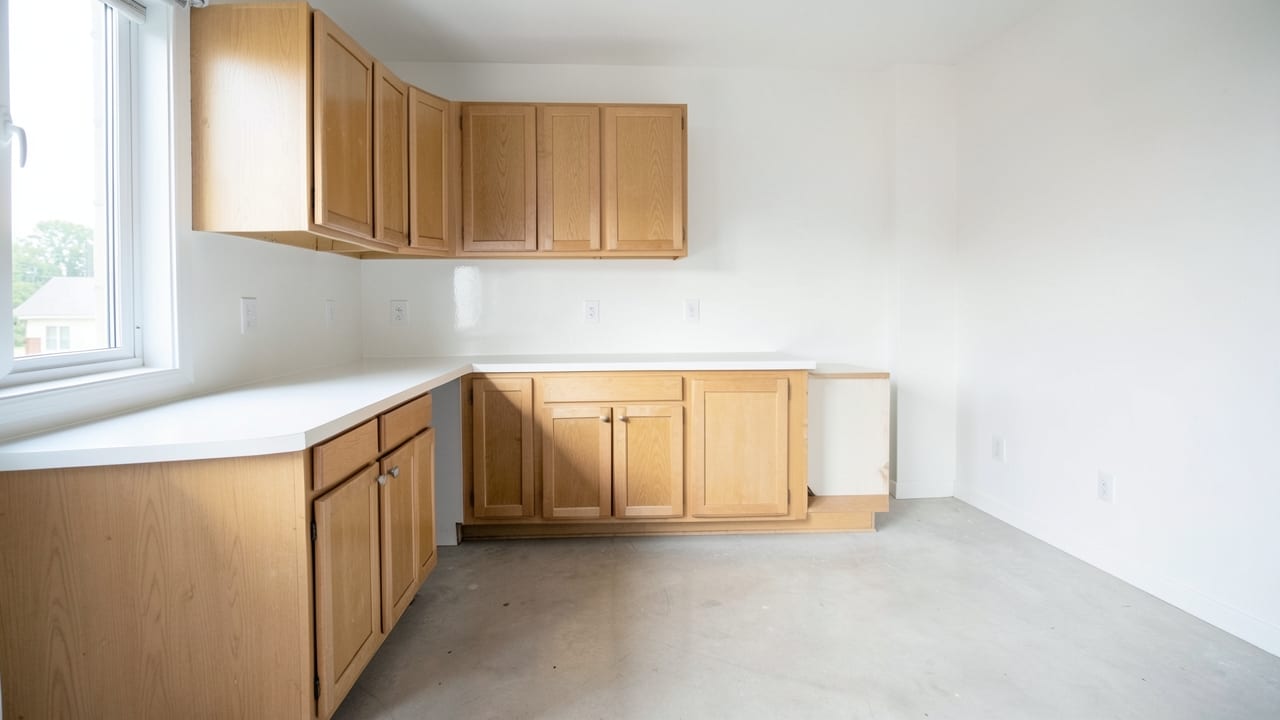
Rental Property Mold Cleanup in Clayton, NC
Professional mold removal and remediation for rental properties to restore safe living conditions.
Learn More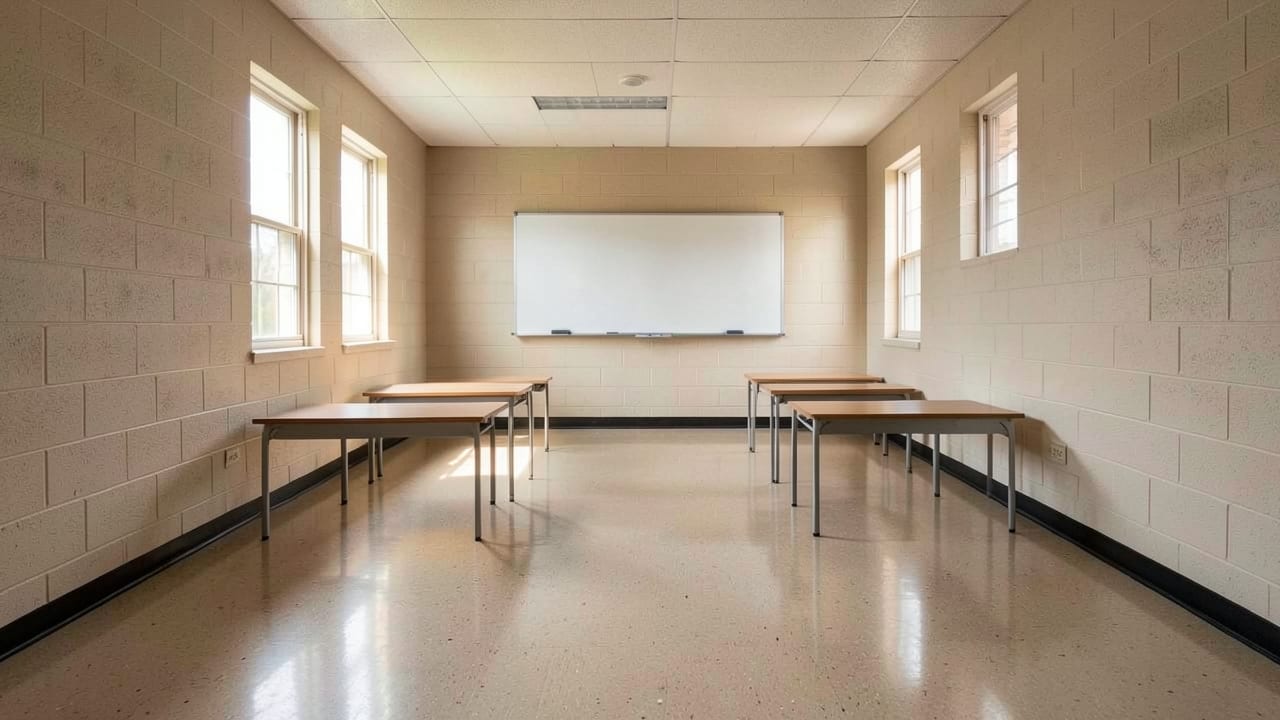
School Mold Remediation in Clayton, NC
Professional mold removal and remediation in schools to ensure a safe, healthy environment.
Learn More
Hospital Mold Removal in Clayton, NC
Professional assessment and removal of mold in hospitals to ensure a safe, healthy environment.
Learn More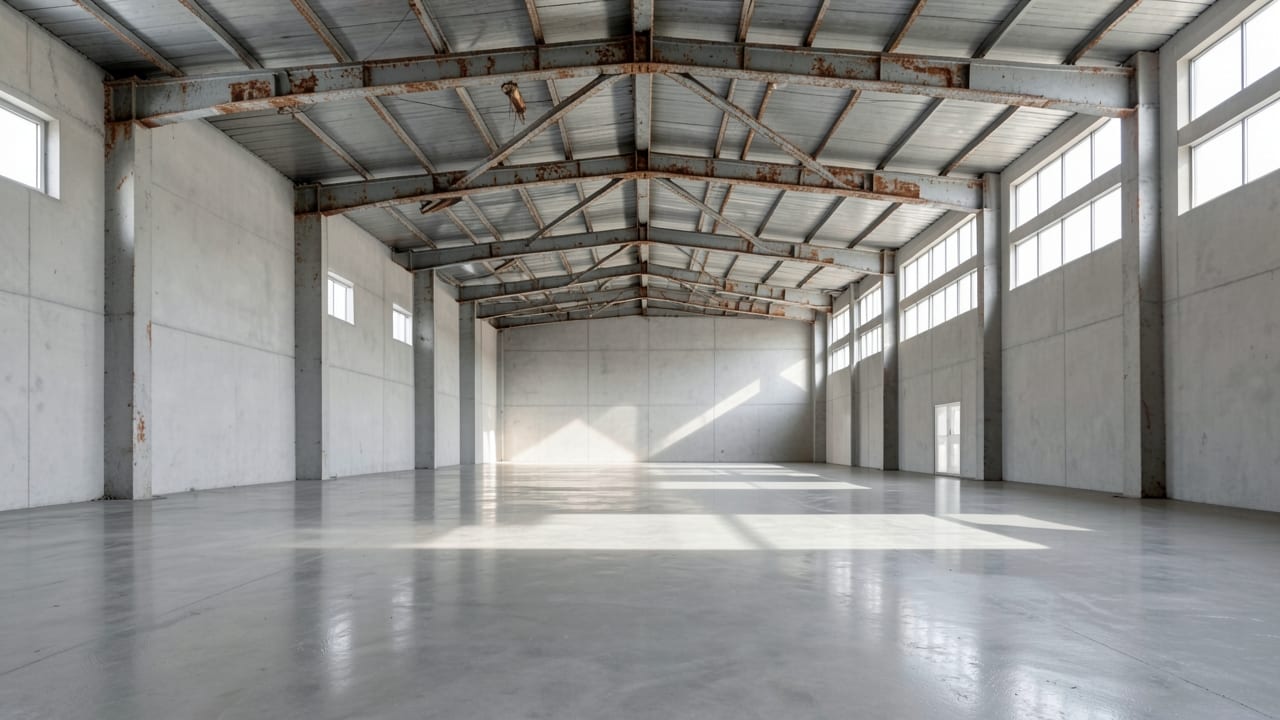
Warehouse Mold Cleanup in Clayton, NC
Professional removal of mold from warehouse spaces to restore safe, clean conditions.
Learn More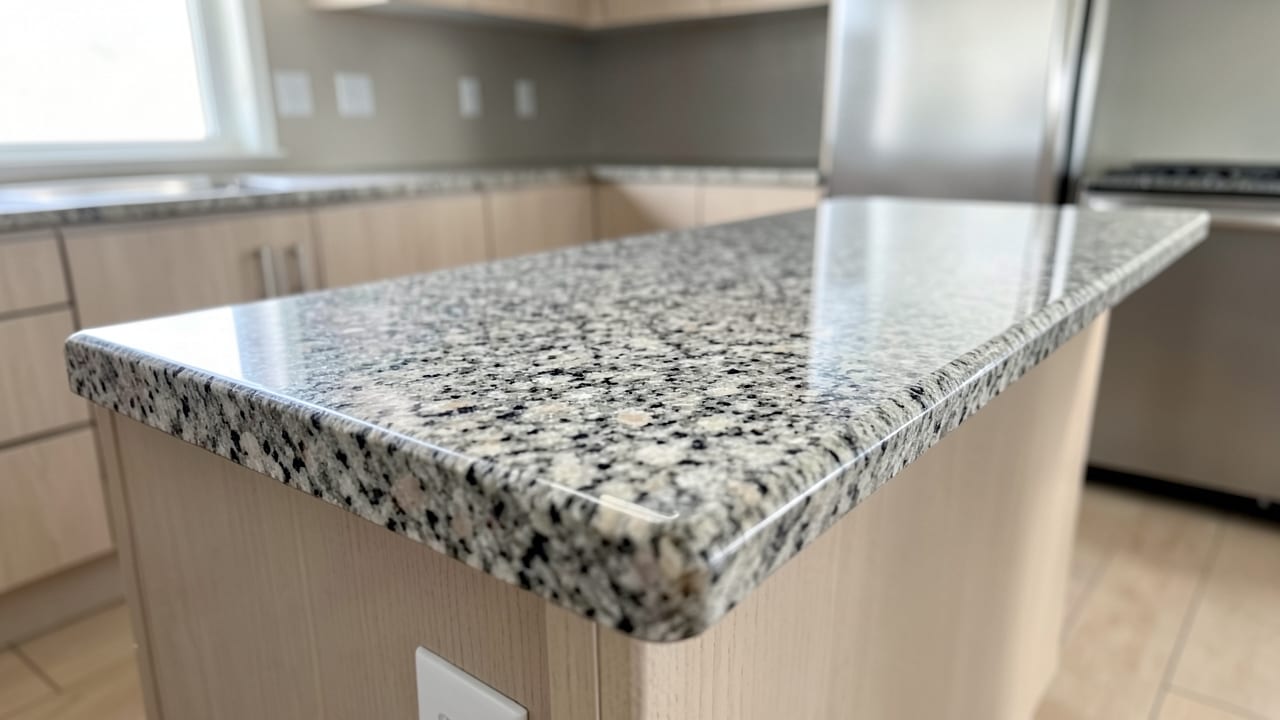
Stone Countertop Mold Removal in Clayton, NC
Professional removal of mold from stone countertops using specialized cleaning and treatment methods.
Learn More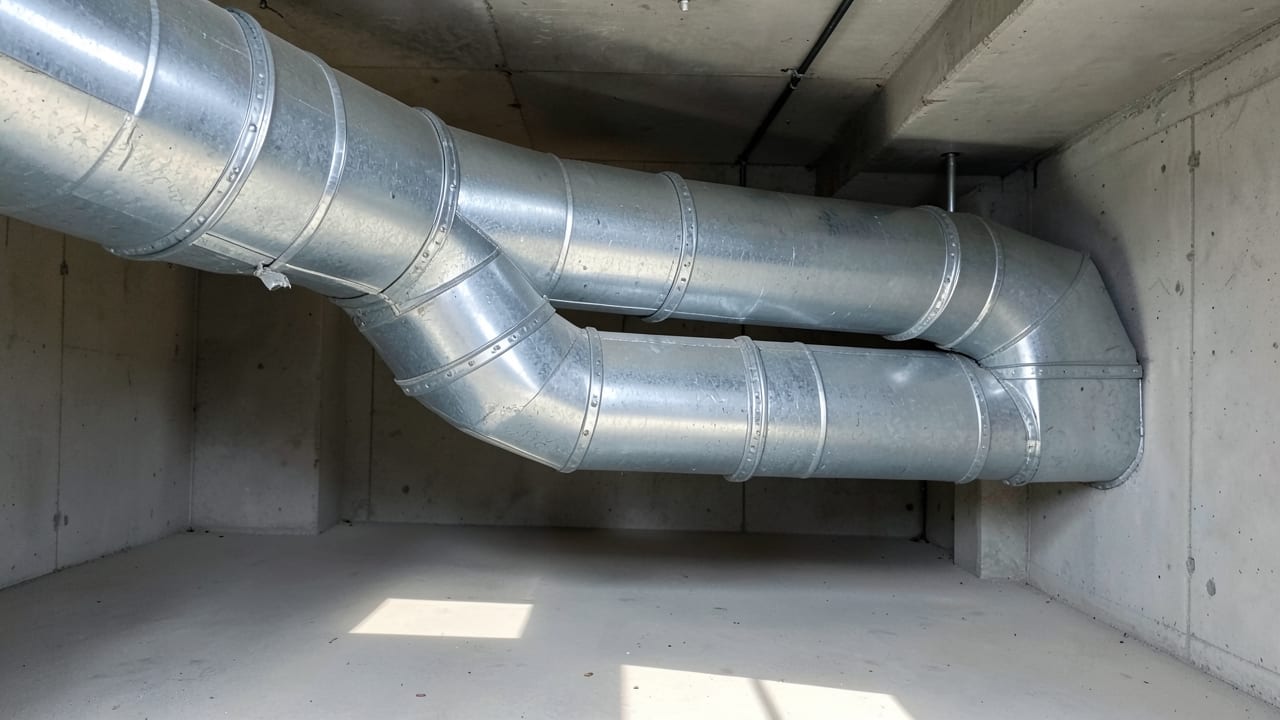
Metal Ductwork Mold Remediation in Clayton, NC
Professional removal of mold from metal ductwork to restore indoor air quality.
Learn MoreCommon Questions About Mold Remediation in Clayton
Everything you need to know about mold remediation services in Clayton
How much does Mold Testing & Air Quality Testing typically cost in Clayton, NC?
Why does Clayton, NC's humidity make mold a bigger risk than in drier regions?
How does mold remediation actually prevent the problem from coming back?
Can mold growing inside HVAC ductwork spread to the rest of a home?
Does mold mean the same thing as mildew?
Does homeowners insurance typically cover mold remediation?
Need Mold Remediation in Clayton?
Connect with local providers in Clayton for a detailed quote.
⏰ We answer your call • Serving all of Clayton and surrounding areas