How to Use a Hygrometer to Monitor Humidity and Prevent Mold in Clayton
Mold thrives in humid environments, and in our region’s warm, damp climate, keeping tabs on moisture is non-negotiable. A hygrometer is your first line of defense—simple, affordable, and critical for catching rising humidity before it fuels mold growth in walls, crawl spaces, or attics.
Why Humidity Monitoring Matters for Mold Prevention
Mold spores are everywhere, but they only colonize when relative humidity (RH) climbs above 60%. In our area, summer humidity and poor ventilation in basements or crawl spaces often push levels into the danger zone.
Without monitoring, you won’t notice the problem until you see stains, smell must, or—worse—discover hidden growth during a mold inspection. Early detection saves time, money, and your home’s structural integrity.
Attics and crawl spaces in older homes around Garner and Smithfield often trap moisture. Even new builds aren’t immune if vapor barriers fail.
Types of Hygrometers: Which One Fits Your Needs?
Mechanical hygrometers use organic materials (like human hair) that expand with humidity. They’re inexpensive but less precise in extreme conditions.
Digital hygrometers rely on electronic sensors for accuracy. Many include temperature readouts and data logging—ideal for tracking trends in problem areas like basements or after water damage.
For professionals, psychrometers (sling or digital) measure wet-bulb vs. dry-bulb temps to calculate RH. We use these during mold testing and air quality assessments for precise diagnostics.
| Type | Accuracy | Best For | Cost Factor |
|---|---|---|---|
| Mechanical | Moderate | General home use | Low |
| Digital | High | Basements, crawl spaces, attics | Moderate |
| Psychrometer | Very High | Professional mold inspection | High |
Where to Place Your Hygrometer for Maximum Effect
Start with high-risk zones: basements, crawl spaces, bathrooms, and kitchens. These areas often lack airflow and collect moisture from leaks, condensation, or daily use.
In attics, place the device near vents or insulation gaps where warm, humid air from living spaces rises and condenses. This is a common culprit in Wilson’s Mills and Four Oaks homes with poor attic ventilation.
Avoid direct sunlight, heat sources, or drafts—these skew readings. For whole-home insights, use multiple hygrometers and compare levels between floors.
Ideal Humidity Levels to Prevent Mold Growth
The EPA recommends keeping indoor RH between 30% and 50%. Below 30% can cause dryness issues (cracked wood, respiratory irritation), while above 60% invites mold, dust mites, and structural damage.
In our humid North Carolina summers, aim for the lower end of the range (40-50%). During winter, heating systems dry the air, so 30-40% is often sufficient.
If readings consistently exceed 55%, it’s time to act. Dehumidifiers, improved ventilation, or moisture barriers may be needed—especially in crawl spaces or after water damage restoration.
Calibrating Your Hygrometer for Accurate Readings
Even highly accurate hygrometers drift over time. To test accuracy, wrap the device in a damp cloth for 30 minutes—it should read near 95-100% RH. If not, recalibrate or replace it.
For digital models, follow the manufacturer’s reset procedure. Some allow manual calibration using a salt test: place the sensor in a sealed bag with a saltwater-soaked paper towel for 6-12 hours. It should stabilize at 75% RH.
Hygrometer Calibration Checklist
- Test with damp cloth (should read ~95-100% RH)
- Use salt test for digital models (target: 75% RH)
- Recalibrate or replace if readings are off by >5%
- Repeat calibration every 6-12 months
What to Do When Humidity Spikes
If your hygrometer shows RH climbing above 55%, first check for obvious issues: leaks, poor ventilation, or standing water. In crawl spaces, ensure vapor barriers are intact and sump pumps are functional.
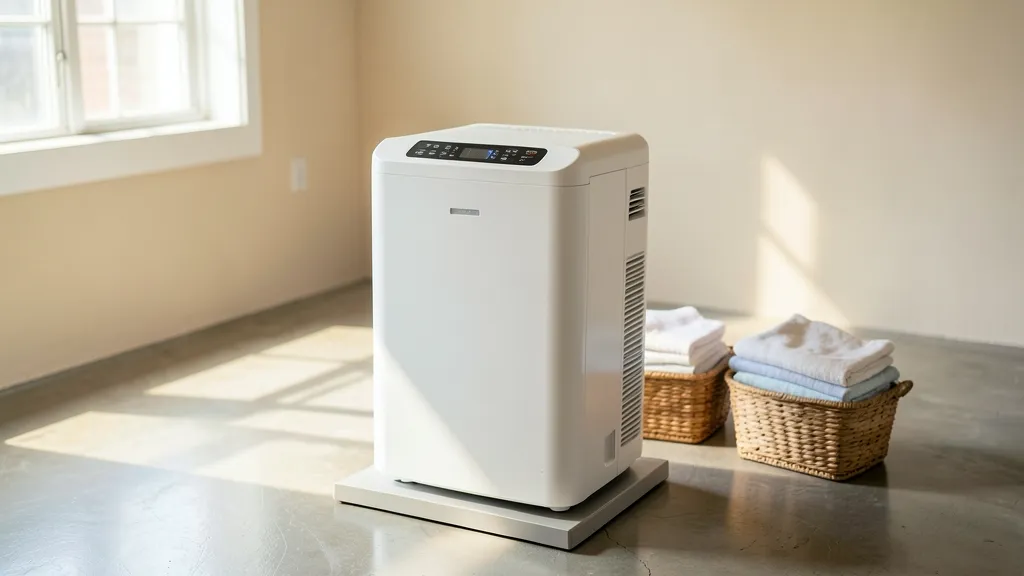
Run dehumidifiers in problem areas, especially after heavy rain or flooding. For attics, verify that soffit and ridge vents aren’t blocked by insulation or debris.
Persistent high humidity may signal deeper problems like hidden water damage or inadequate HVAC sizing. In these cases, a professional mold inspection and moisture control assessment can pinpoint solutions.
Place a dehumidifier’s drain hose to empty into a floor drain or outside. Emptying the tank manually is a chore most homeowners abandon—leading to stalled progress.
When to Call in the Pros for Mold Remediation
If you’ve addressed humidity but still see mold, or if growth covers more than 10 square feet, it’s time for professional mold remediation. DIY fixes often miss hidden colonies in wall cavities or ductwork.
Our team uses thermal imaging and moisture meters to locate the source, then contains and removes mold safely. We also address the root cause—whether it’s a leaky pipe, poor crawl space encapsulation, or faulty attic ventilation.
For commercial properties or multi-unit buildings in areas like Garner or Smithfield, we scale our approach to ensure compliance with local and federal guidelines.
How to Use a Hygrometer to Track and Reduce Humidity
Follow these steps to monitor humidity effectively and take action before mold takes hold.
- 1Choose the Right Hygrometer
Select a digital model for accuracy, especially in high-risk areas like basements or attics. Mechanical types work for general use but may lack precision.
- 2Place Devices Strategically
Position hygrometers in problem zones (crawl spaces, bathrooms, near HVAC vents) and away from direct sunlight or heat sources.
- 3Record Daily Readings
Log humidity levels at the same time each day to spot trends. Note spikes after rain, showers, or when running appliances like dryers.
- 4Take Corrective Action
If RH exceeds 55%, use dehumidifiers, improve ventilation, or inspect for leaks. For persistent issues, request a quote for a professional mold inspection.
- 5Re-evaluate Regularly
Recalibrate your hygrometer every 6-12 months and adjust your strategy as seasons change. Winter heating and summer humidity demand different approaches.
Frequently Asked Questions
How often should I check my hygrometer in Clayton’s humid climate?
Check at least once daily during humid months (May–September) and weekly in winter. After heavy rain or if you notice musty odors, monitor more frequently—especially in basements or crawl spaces.
Can a hygrometer detect mold?
No, a hygrometer only measures humidity. However, consistently high readings (above 60% RH) are a red flag that conditions are ripe for mold. For confirmation, schedule a mold testing or air quality test.
What’s a good hygrometer for a crawl space?
A digital hygrometer with a remote sensor or data logging is ideal. Look for models rated for high humidity (up to 99% RH) and durable enough for dusty, damp environments. Some even sync with smartphones for alerts.
Why is my attic hygrometer reading higher than the rest of the house?
Attics often trap heat and moisture from living spaces below. Poor ventilation, gaps in insulation, or roof leaks can cause RH to spike. This is common in older homes around Four Oaks and Wilson’s Mills.
Does running the HVAC help control humidity?
Yes, but only if the system is properly sized and maintained. Oversized AC units cool quickly without removing enough moisture, while undersized units struggle to keep up. Consider a whole-house dehumidifier if your HVAC isn’t cutting it.
I found mold in my basement. Should I test humidity first or call a pro?
If the mold covers a small area (less than 10 sq ft), you can start by addressing humidity with a dehumidifier and fixing leaks. For larger infestations or if mold returns, call our team for mold remediation and a moisture control plan.